Best Scenic Spots for Sunset Photography near Cold Lake
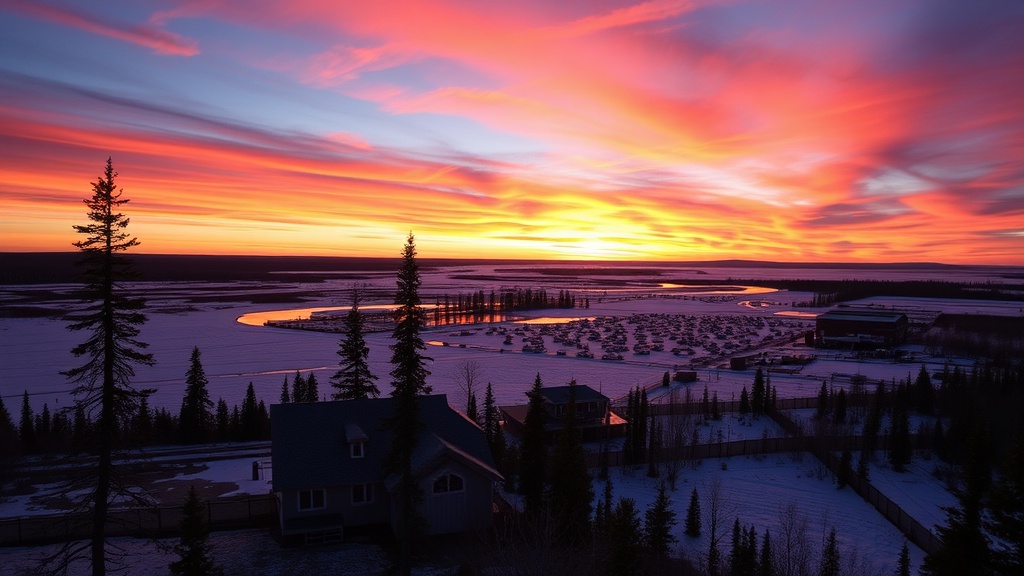
The sky over the Alberta eastern parklands shifts from a pale blue to a bruised purple, catching the light of a dying sun that turns the surface of Cold Lake into a sheet of hammered gold. This is the golden hour. If you’re a photographer, this is the moment you live for—but finding the right vantage point in our corner of Northeast Alberta isn't always intuitive. This guide lists the specific locations near Cold Lake where the light hits just right, the terrain offers unobstructed views, and the colors actually live up to the hype.
Where is the best place to watch the sunset in Cold Lake?
The best place to watch the sunset in Cold Lake is the shoreline of Kirkland Lake or the expansive views from the Melvik area, depending on whether you want a developed park setting or a more rugged, natural look.
Most people head straight for the waterfront in town, but if you want something a bit more dramatic, you need to look toward the outskirts. The way the light bounces off the water near the Bonnybrook Provincial Park area is spectacular. It’s not just about the sun hitting the water; it's about how the light interacts with the surrounding boreal forest. You get those deep greens and golds that look almost surreal through a camera lens.
If you’re using a DSLR or a high-end mirrorless camera, I recommend bringing a tripod. The light drops incredibly fast once the sun dips below the horizon. If you're just using an iPhone or a Samsung Galaxy, try to find a spot with a clear line of sight to the west—not just the south—to catch the widest part of the gradient.
Kirkland Lake and the Waterfront
Kirkland Lake offers a classic, accessible experience. You can pull your truck right up, grab your gear, and you're ready to go. It’s perfect for those who don't want to hike through brush to get the shot. The boardwalks provide a stable platform for your tripod, which is a huge plus if you're dealing with the uneven terrain we often see in the spring.
The view here is wide and unobstructed. You aren't fighting tree branches for a clear shot of the horizon. It’s also a great spot for long-exposure photography. If you set your shutter speed a bit slower, you can capture the movement of the waves against the shore. It creates that silky, ethereal look that looks great in a portfolio.
Melvik and the Rugged Shoreline
For something a bit more "off the beaten path," head toward Melvik. It’s a different vibe entirely. The shoreline here feels more wild and untamed. You’ll find more driftwood, more natural textures, and much less human interference in your frame. It’s a bit more work to get to, but the payoff is a shot that feels truly isolated.
Pro Tip: If you're heading out this way, check the Alberta Parks website for any seasonal closures or trail updates. You don't want to find yourself stuck in a muddy clearing when the light starts to fade.
What gear should I bring for sunset photography?
You should bring a sturdy tripod, a wide-angle lens, and a polarizing filter to manage the reflections on the water.
I’ve learned this the hard way—trying to hold a heavy camera steady while the wind picks up off the lake is a recipe for a blurry mess. Even a slight breeze can ruin a long-exposure shot. A tripod is non-negotiable. If you’re a hobbyist, a basic Manfrotto or even a cheaper entry-level model will do the job fine. Just make sure it's heavy enough that it won't tip over in a gust.
The polarizing filter is another big one. It helps cut the glare from the water, allowing the colors in the sky to pop without the white-out effect of the sun's reflection. It’s a small investment that makes a massive difference in your final image quality.
- Wide-Angle Lens: To capture the vastness of the Alberta sky.
- Tripod: For stability during long exposures.
- Polarizing Filter: To manage water reflections and sky saturation.
- Extra Batteries: Cold air (even in summer evenings) can drain battery life faster than you think.
- Microfiber Cloth: To clean any lake spray or dust off your lens.
How can I capture the best colors in my photos?
To capture the best colors, you need to understand the "Blue Hour" and the timing of the light's angle relative to the horizon.
Most people think the photo is finished once the sun disappears. That’s a mistake. The most vibrant colors—those deep pinks and electric purples—often happen during the "Blue Hour," which is the period just after the sun has set but before total darkness hits. This is when the atmosphere scatters the light in a way that makes the colors feel almost neon.
Don't forget to adjust your White Balance. If you leave your camera on "Auto," it might try to "correct" the warmth of the sunset, making the photo look cooler and more blue than it actually is. Set it to "Shade" or "Cloudy" to preserve those warm, golden tones. It's a small tweak, but it'amaze how much it changes the mood of the shot.
If you're interested in the technical side of how light works, the Wikipedia entry on the Golden Hour is a great resource for understanding the physics behind the glow. It’s not just magic; it's science.
A Comparison of Photography Styles
Depending on your skill level and your goals, you might want to approach these locations differently. Here is how I categorize the typical approaches:
| Style | Best Location | Primary Focus | Difficulty |
|---|---|---|---|
| Landscape/Wide | Melvik | Vastness and scale | Moderate |
| Minimalist/Reflections | Kirkland Lake | Water surface and light | Easy |
| Macro/Detail | Any Shoreline | Ice, sand, or driftwood | Hard |
If you are looking for a more relaxed evening that involves more than just photography—perhaps a bit of local flavor—you might want to check out our guide on finding the freshest local whitefish to enjoy after your shoot. There's nothing quite like a sunset photo session followed by a great local meal.
The light in Northern Alberta is different than the light in the cities. It’s sharper, more direct, and when it hits the water near Cold Lake, it feels much more intense. Whether you're a pro or just someone with a smartphone, don't sleep on these spots. The best views aren't always the ones in the brochures; they're the ones you find when you're willing to drive an extra ten minutes down a gravel road.
One thing to keep in mind: always be mindful of the local wildlife. We are in bear country, after all. If you're heading into the more rugged areas like Melvik for a late-evening shot, make sure you aren't being too quiet or distracted. Keep your ears open and stay aware of your surroundings. It’s easy to get lost in the viewfinder, but your safety comes first.
The weather can change on a dime here. One minute it's a clear sky, and the next, a bank of clouds rolls in. While clouds can sometimes block the direct sun, they can also act as a giant softbox, diffusing the light and creating incredible textures in the sky. Don't be discouraged by a cloudy evening—sometimes the most dramatic shots come from the most "unpredictable" weather.