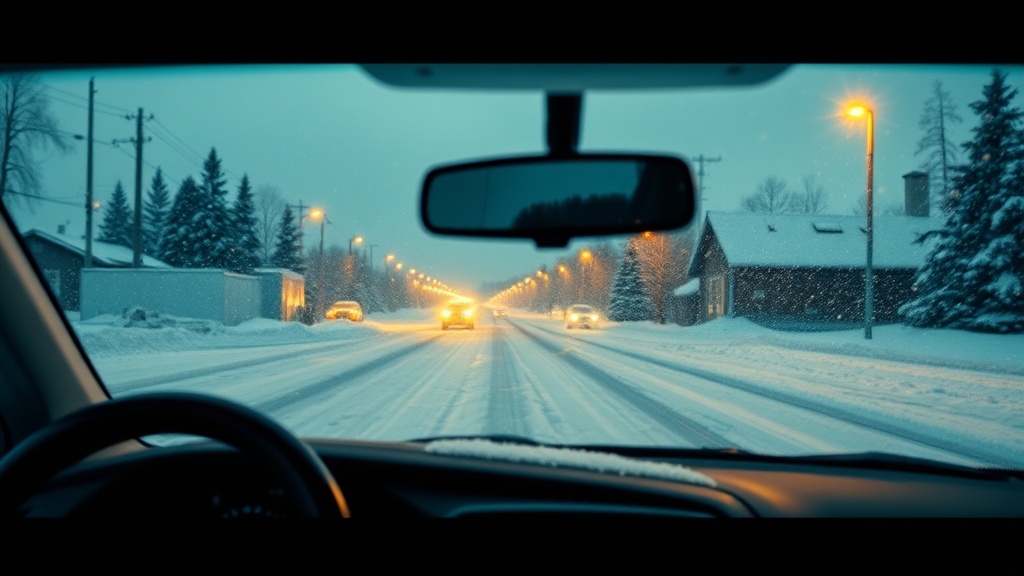
How to Prepare Your Home and Vehicle for Cold Lake's Extreme Winter Months

What's the Coldest Temperature Ever Recorded in Cold Lake?
Winter in Cold Lake isn't just chilly—it's the kind of cold that makes you rethink your life choices. The lowest temperature ever recorded here hit a bone-rattling -48.3°C back in January 1982. That's not a typo. When the mercury drops that low, even the hardiest among us start questioning our decision to live this far north. But here's the thing—we're still here, and we've learned a thing or two about surviving (and even thriving) when the snow piles up past our knees and the wind howls off the lake like it's got a personal vendetta.
This guide isn't about surviving a weekend visit to Cold Lake. It's about getting through another prairie winter as someone who actually lives here—someone who needs to get to work on 51 Street when it's -35°C, someone whose pipes froze last February, someone who's tired of their car refusing to start at the Cold Lake Walmart parking lot. We'll cover what works, what doesn't, and where to go when you need help.
How Do I Winterize My Home for Cold Lake's Deep Freeze?
Let's start with where you sleep. Your house is your fortress against the cold, and fortresses need proper defenses.
First—check your furnace filter. Sounds obvious, right? But you'd be surprised how many Cold Lake residents forget this until their heating bill doubles in January. Swap that filter every month during heating season. While you're at it, book a furnace inspection with a local company like Al's Plumbing & Heating on 50 Avenue before the first big freeze hits. They're busy for a reason—everyone waits until November, and then you're on a three-week waiting list.
Your pipes are next. If you live in one of the older homes near Cold Lake Provincial Park or down by the lakefront, you've probably already dealt with frozen pipes. Insulate anything exposed—basement pipes, crawl spaces, that weird pipe running through your garage. Heat tape works wonders, but only if you install it before the cold snap hits.
Windows and doors are where we lose the most heat. That draft you feel in October becomes a full-blown arctic blast by January. Weather stripping is cheap. Plastic window film is cheaper. Both will save you hundreds on your ATCO Energy bill—and yes, Cold Lake's utility costs do spike in winter, so every bit helps.
Don't forget your roof. Ice dams are a real problem here, especially after those weird freeze-thaw cycles we get in late November. Clear your gutters before the snow flies. If you've got an older roof, consider having Cold Lake Roofing take a look. They know exactly what our weather does to shingles.
What's the Best Way to Keep My Car Running in -30°C Weather?
Your vehicle doesn't want to start in -30°C any more than you want to get out of bed. But unlike you, it doesn't have a choice.
Block heaters aren't optional in Cold Lake—they're survival equipment. If your car doesn't have one, get one installed at Canadian Tire Cold Lake on Highway 28 before November. Plug it in whenever the temperature drops below -15°C. Yes, it adds to your electricity bill, but it's cheaper than a new engine.
Battery maintenance is critical. Cold weather kills batteries—we're talking a 50% drop in capacity when it hits -20°C. Get yours tested at NAPA Auto Parts on 50 Street in October. If it's more than three years old, just replace it. Trust me, you don't want to be stranded in the Kinosoo Beach parking lot at 6 PM in January with a dead battery and no cell signal.
Winter tires aren't a suggestion—they're the law on some Alberta highways, and they should be the law in your driveway. All-seasons harden below 7°C and lose grip. Winter tires stay flexible down to -40°C. Get them mounted at Kal Tire on Highway 28 in early October before the rush. The lineup in November is brutal.
Keep an emergency kit in your trunk: blanket, candles, matches, granola bars, bottled water (keep it in the back seat so it doesn't freeze), booster cables, flashlight, and a small shovel. The stretch between Cold Lake and La Loche has limited cell coverage, and Highway 28 can become impassable during a storm. If you slide into the ditch, you might be waiting a while for help.
Where Can I Get Emergency Help When Winter Hits Hard in Cold Lake?
Sometimes, despite your best efforts, things go sideways. Pipes burst. Furnaces quit. Cars die. Here's who to call when the worst happens.
For plumbing emergencies—because frozen pipes wait for no one—Al's Plumbing & Heating offers 24/7 service. They've been serving Cold Lake since 1982, which means they've seen every winter disaster imaginable. Save their number now: (780) 594-4400.
Heating emergencies are serious business when it's -35°C outside. If your furnace quits, check your pilot light and filter first. If that doesn't work, call a professional immediately. Cold Lake has seen cases of hypothermia in homes with failed heating systems—this isn't something to DIY at midnight in February.
Vehicle troubles? Cold Lake Towing operates 24/7 during winter months. They know the local roads better than anyone—where the black ice forms on Highway 28, which back roads are impassable after a snowfall, how to reach you when you're stuck on the Cold Lake Air Weapons Range access road.
The Cold Lake Public Library on 55 Street doubles as a warming center during extreme cold warnings. If your heat goes out and you can't get it fixed immediately, that's where you go. They also have free Wi-Fi, which means you can work remotely while waiting for the repair truck.
How Do I Stay Safe Walking Around Cold Lake in Winter?
We walk here. To the store, to work, to drop kids at school—even when it's miserable. But winter walking in Cold Lake has its own hazards beyond just the cold.
Icy sidewalks are a constant battle. The city clears main routes like 50 Street and 51 Street quickly, but residential areas can stay slippery for days. Wear proper winter boots with good tread—those fashion boots won't cut it when you're navigating the intersection at 50 Avenue and 54 Street.
Visibility is a real concern. Our winter days are short—sunrise around 8:30 AM and sunset by 4:30 PM in December. If you're walking near the Cold Lake Energy Centre or along Highway 28, wear reflective gear. Drivers can't see you in blowing snow at dusk.
Watch for falling ice. Those beautiful icicles on the eaves of buildings downtown? They're weapons waiting to fall. Give them a wide berth, especially on warmer days when they start to loosen.
The lake itself demands respect. Cold Lake (the actual lake) freezes solid enough for ice fishing by late December, but early ice is dangerous. Every year, someone tests it too soon. Wait for the official word from Cold Lake's official city website or local fishing guides before venturing out. That ice can be two feet thick in one spot and paper-thin twenty meters away.
What Winter Activities Should Cold Lake Residents Actually Try?
Surviving winter is one thing. Making it enjoyable? That's the Cold Lake way.
Kinosoo Beach transforms in winter. The summer swimmers are gone, replaced by ice fishing huts, cross-country ski tracks, and the occasional brave soul testing the ice. The city maintains the area for winter use—parking stays plowed, and there are warming shelters nearby. It's worth visiting, even if you just want to see the lake frozen solid.
The Cold Lake Energy Centre offers indoor recreation when you can't face another minute outside. Skating, hockey, swimming—the facilities are excellent and affordable for residents. Buy a membership in October before the post-Christmas rush.
Snowmobiling is huge here. Local clubs maintain hundreds of kilometers of trails around Cold Lake and into Saskatchewan. The Lakeland Snowmobile Club can point you toward legal trails and tell you which areas are off-limits (some Crown land near the military base has restrictions).
Don't discount the simple stuff. A walk through Meadowview Park after a fresh snowfall—when the world is quiet and the snow muffles everything—is genuinely beautiful. Just dress for it.
Winter in Cold Lake isn't easy. It demands preparation, respect, and a certain stubbornness. But we're not tourists—we're residents. We live here year-round, we help our neighbors dig out their driveways, we know which intersections ice over first, and we keep going when the thermometer reads temperatures that would make most Canadians head south. That's what makes this community what it is. And when spring finally comes—usually sometime in late April—we've earned every single degree of warmth.
Resources: For more information on winter preparedness in Alberta, visit Alberta's Emergency Preparedness portal or check Environment Canada's weather alerts for up-to-date warnings in the Cold Lake region.