What Do Cold Lake Locals Know That Newcomers Don't? 10 Insider Tips for Living Here

There's a persistent myth that Cold Lake is just a military town with a big lake attached — a place where people pass through rather than put down roots. That's the kind of thinking that keeps newcomers from discovering what makes our community actually tick. The truth is, Cold Lake has its own rhythm, its own shortcuts, and its own unwritten rules that locals have been navigating for decades. Whether you've just arrived at 4 Wing or you're settling into a place near Kinosoo Beach, understanding how things work here — not how they work in Edmonton or Calgary — will save you time, money, and more than a few headaches.
Living in Cold Lake means adapting to a city that operates differently from most Alberta municipalities. We're a border community with unique access patterns, a tourism economy that creates seasonal traffic spikes, and a year-round population that includes both permanent residents and military families on rotation. That mix creates a community culture that's equal parts small-town familiar and transiently dynamic. The locals who thrive here aren't the ones who treat Cold Lake as a temporary posting — they're the ones who learn the rhythms of the place.
Where Can I Find Reliable Local Information Beyond Social Media?
Facebook groups might seem like the obvious starting point when you move to Cold Lake, but they're often filled with speculation, outdated information, and the same five questions cycling endlessly. For accurate, up-to-date information about road closures, city services, and community events, skip the rumor mill and head straight to the source.
The City of Cold Lake official website maintains a surprisingly robust events calendar that's updated weekly with everything from council meetings to recreation programs. More importantly, the city publishes regular bulletins about infrastructure work — something you'll care deeply about when 50th Street gets torn up for water main repairs. Sign up for their email notifications; they're not spammy, and you'll know about boil water advisories or recreation centre closures before your neighbors do.
For winter road conditions specifically, Alberta 511 is useful, but locals know that Alberta 511 doesn't always capture the micro-conditions around Cold Lake Provincial Park or the rural roads connecting to Grand Centre. The Municipal District of Bonnyville's road reports fill in those gaps for the areas just outside city limits where many residents commute from or visit regularly.
How Do Cold Lake Residents Actually Get Around During Busy Seasons?
Traffic in Cold Lake isn't comparable to Edmonton gridlock — but that doesn't mean there aren't patterns you should know. Summer weekends transform 50th Street into a crawl, especially between Highway 28 and the lakefront, as visitors from Edmonton and Saskatchewan descend on Kinosoo Beach. Locals learn quickly to do their grocery shopping and errands on weekday mornings or after 7 PM on Fridays.
The real navigation hack involves understanding the back routes that skirt the main tourist corridors. If you're heading to the north side of the lake or trying to reach the Energy Centre without sitting through three light cycles on 50th, take 55th Street north and connect via the residential grid. During the August long weekend and the May Victoria Day rush, this knowledge isn't just convenient — it's the difference between a twenty-minute drive and an hour-long parking lot experience.
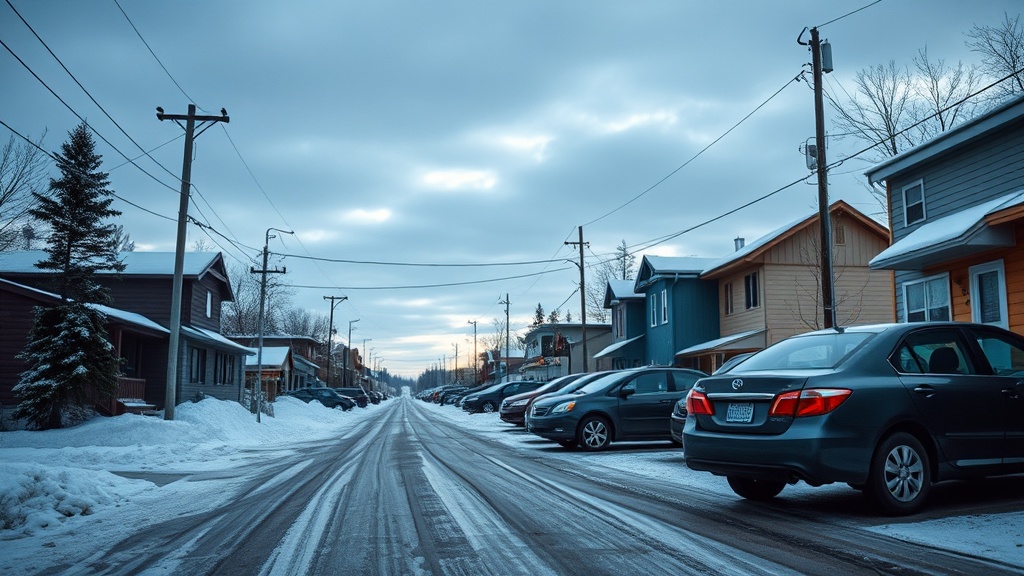
Winter navigation has its own learning curve. The city does plow main routes promptly, but residential clearing follows a priority system that newcomers often misunderstand. If you live on a cul-de-sac or a street with limited through-traffic, don't expect morning clearing after overnight snow. Invest in proper winter tires — not all-seasons with the M+S designation, but actual winter-rated rubber — and keep a snow brush and emergency kit in your vehicle. Cold Lake's winter temperatures regularly hit -30°C, and Alberta's severe weather preparedness guidelines become very relevant when Highway 28 gets shut down by blowing snow.
What Services and Resources Do Long-Term Residents Actually Use?
Every community has its ecosystem of services that newcomers overlook because they're not flashy or well-marketed. In Cold Lake, that ecosystem includes several gems worth knowing about early. The Cold Lake Public Library — with branches in both the north and south ends — offers far more than books. Their digital resource collection includes language learning software, automotive repair databases, and free access to local and national newspapers. If you're researching property history or trying to understand local development patterns, their archives contain city records going back decades.
For recreation, skip the assumption that the lake is only for summer. The Energy Centre — our municipal recreation facility — hosts programs year-round that many residents don't discover until they've been here months. Their membership rates are reasonable compared to private gyms, and the facility includes a climbing wall, multiple ice surfaces, and a pool that stays busy through the winter. The walking track upstairs provides a warm, dry option for exercise when the wind chill makes outdoor activity genuinely dangerous.
The Cold Lake Regional Chamber of Commerce maintains a business directory that's more current than most online listings, and their staff actually know the local business landscape. If you're looking for a contractor, a specialized service, or trying to figure out which businesses are locally owned versus chains, they're a better resource than random Google searches that might send you to businesses that closed two years ago.
How Do Military and Civilian Communities Actually Interact in Cold Lake?
The relationship between 4 Wing and the civilian community is more integrated than many assume — but it operates on patterns that take time to recognize. Military families rotate through on multi-year postings, which means there's a constant influx of new residents who need to integrate quickly. The civilian community has adapted to this rhythm, creating support networks that help newcomers transition.
That said, there are physical and social boundaries worth acknowledging. The base itself has facilities that aren't open to the general public — the CANEX, the military gym, certain recreation programs. Conversely, many military families live off-base in the surrounding neighborhoods and fully participate in civilian community life. You'll find them coaching minor hockey at the Imperial Oil Place, volunteering at the Cold Lake Food Bank, and participating in community events at the Cold Lake Agricultural Society grounds.
The base's presence also affects local housing and rental markets in ways that matter to everyone. When a large deployment or training exercise brings in temporary personnel, accommodation can get tight. Local landlords often prefer military tenants because of the housing allowance stability, which can make the rental market competitive for civilians. Understanding these dynamics helps explain market patterns that might otherwise seem inexplicable.
What Should I Know About Cold Lake's Seasons That Nobody Tells You?
The tourist brochures mention the lake and the beaches. They don't mention the black flies in late spring, or the way the lake's water level can fluctuate dramatically based on upstream management — sometimes leaving the boat launch at Marina Park high and dry by August. They don't tell you that October can bring both beautiful fall colors and sudden snowstorms, sometimes within the same week.
Locals know that "lake effect" weather is real and measurable. Storm systems moving across Cold Lake can intensify, creating snowfalls that are significantly heavier than what's falling forty kilometers away in Bonnyville. They also know that the lake moderates temperatures slightly — early fall lasts longer near the water, and spring comes marginally earlier to lakeshore properties than to areas further inland.
The seasonal tourism patterns create economic rhythms that affect everyone. Service industry jobs peak in summer. Some businesses close or reduce hours in winter. The contrast between July — when the population effectively doubles with visitors — and February — when the snowbirds have fled and the lake is frozen solid — is stark. Residents who thrive here embrace both extremes rather than enduring one season to get to the other.
Where Do People Actually Shop and Find Services in Cold Lake?
The retail landscape in Cold Lake has changed significantly over the past decade, and the current configuration surprises newcomers expecting a small-town experience. The Cold Lake Shopping Centre and surrounding commercial developments on Highway 28 provide most of the chain retail options, but locals know that the best service experiences often come from the smaller, independent businesses scattered throughout the city.
For automotive service, there are reputable independent shops on both sides of the city that provide more personalized service than the chain locations. For home renovation materials, the local lumber yards and building supply stores often have better expertise about regional construction challenges — like permafrost issues or specific wind ratings — than the big box alternatives.
The seasonal farmers' market that operates near the Cold Lake Marina during summer months offers more than produce. It's a genuine community gathering point where you can connect with local artisans, learn about community organizations, and get recommendations for services that don't advertise extensively. Many of the vendors are year-round residents who can provide insights about everything from reliable snow removal services to which mechanic actually answers their phone.
Grocery shopping involves similar local knowledge. While the major chains have locations here, many residents make regular trips to Lloydminster — about an hour west — for specific items or better prices on bulk purchases. The calculation involves weighing the fuel and time cost against the savings, and locals develop their own rhythms for these supply runs.
What's the Real Story on Healthcare Access in Cold Lake?
No guide to living in Cold Lake would be complete without addressing healthcare — it's the topic that dominates more local conversations than any other. The Cold Lake Healthcare Centre provides emergency services and some acute care, but specialist appointments and non-urgent procedures often require travel. The local clinic system has expanded, but demand still exceeds supply during peak periods.
Residents develop strategies for navigating this reality. Many maintain relationships with healthcare providers in Edmonton or Lloydminster for specialist care. The pharmacy landscape has become more competitive, which benefits consumers willing to comparison shop. Telehealth options have improved access for routine consultations, though they can't replace in-person care for everything.
Mental health resources exist but require persistence to access. The local Canadian Mental Health Association branch provides services, and 4 Wing has resources for military members and families. For civilians, the navigation process can be frustrating, and many residents end up seeking virtual counseling services or traveling for in-person mental health support.
Understanding these limitations before you need urgent care allows for better planning. Keep prescriptions current, maintain relationships with healthcare providers even when you're healthy, and know the hours and locations of both the hospital and the various walk-in clinic options. The residents who manage best are the ones who treat healthcare access as a logistical challenge to be solved rather than assuming it will work the way it might in a larger center.